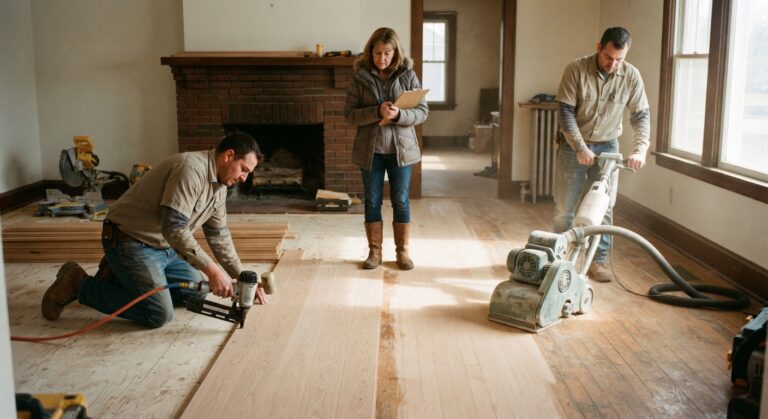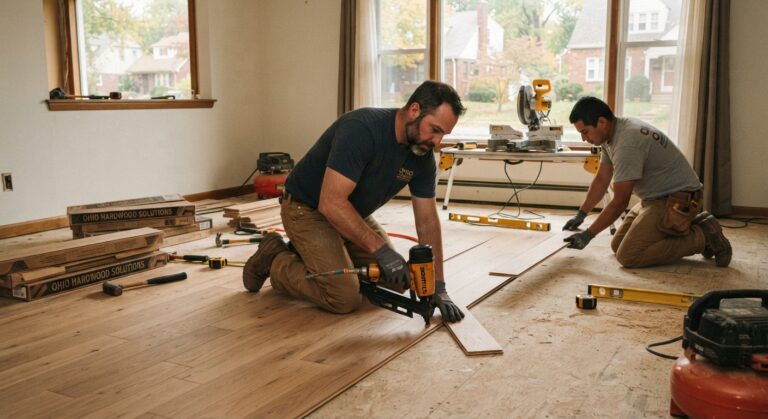

Hardwood floors can last generations when properly cared for, but over time even the strongest surfaces lose their luster. At the beginning of the refinishing journey, many homeowners turn to TH Custom Hardwood for expert guidance on restoring beauty without replacing the flooring entirely. Whether you live in Columbus or elsewhere in Ohio, understanding the refinishing process helps you protect both your investment and your home’s character.
Why Refinishing Is Better Than Replacement
Many homeowners assume worn floors must be removed. In reality, refinishing preserves the original wood while dramatically improving appearance.
Key advantages include:
- Lower cost than full replacement
- Preservation of original craftsmanship
- Increased home value
- Faster project timelines
- Less material waste
Hardwood flooring Ohio homes commonly feature oak, maple, and hickory — all woods designed to be refinished multiple times. In most cases, a floor can be refinished 4–7 times before boards become too thin.
Signs Your Floors Need Refinishing
Refinishing isn’t just about looks — it protects structural integrity.
Watch for these warning signs:
- Gray or faded color
- Deep scratches or gouges
- Splintering wood fibers
- Water staining
- Finish worn away in walkways
- Dull appearance after cleaning
If you can feel the grain when walking barefoot, the protective seal is gone. At that point moisture can penetrate the wood.
The Hardwood Refinishing Process Explained
Many homeowners hesitate because they don’t know what to expect. The process is straightforward but precise.
1. Preparation
Furniture removal and inspection
Loose boards secured
Trim protected
2. Sanding
Old finish removed
Scratches leveled
Surface smoothed in multiple grit stages
Dust containment systems are critical here to protect indoor air quality.
3. Repairs
Board replacement if needed
Gap filling
Stain testing
4. Staining (Optional)
Natural wood tone enhancement
Color adjustment to match décor
5. Sealing and Finishing
Multiple coats of polyurethane or water-based finish
Curing period of 24–72 hours
Choosing the Right Finish
The finish determines durability and maintenance.
Oil-based polyurethane
Warmer tone
Very durable
Longer drying time
Water-based polyurethane
Clear modern appearance
Low odor
Faster cure time
Matte finish
Natural look
Hides scratches
Gloss finish
Reflective appearance
Shows imperfections more easily
Homes with pets and kids typically benefit from satin or matte coatings.
How Long Does Refinishing Last?
With proper care:
- High traffic areas: 7–10 years
- Moderate traffic homes: 10–15 years
- Low traffic homes: up to 20 years
Maintenance tips:
- Use felt furniture pads
- Keep humidity stable
- Clean with hardwood-safe products
- Avoid steam mops
Cost Factors Homeowners Should Know
Prices vary depending on:
- Floor condition
- Wood species
- Square footage
- Repairs required
- Stain complexity
Custom hardwood floors with intricate borders or patterns require more labor, but refinishing still costs far less than replacement.
Preparing Your Home
Before refinishing day:
- Remove fragile items
- Plan pet accommodations
- Expect mild odor for 24 hours
- Stay off floors during curing
A well-planned project minimizes disruption and ensures better results.
The Long-Term Value of Professional Refinishing
DIY kits exist, but sanding errors permanently damage wood. Uneven sanding creates dips that cannot be reversed without board replacement. Professional equipment ensures consistent results and extends floor life.
In the end, homeowners who invest in proper hardwood floor care avoid premature replacement and maintain property value. That’s why many homeowners ultimately rely on TH Custom Hardwood to restore their flooring safely and correctly.
Blog Created and Maintained by Revvia Marketing