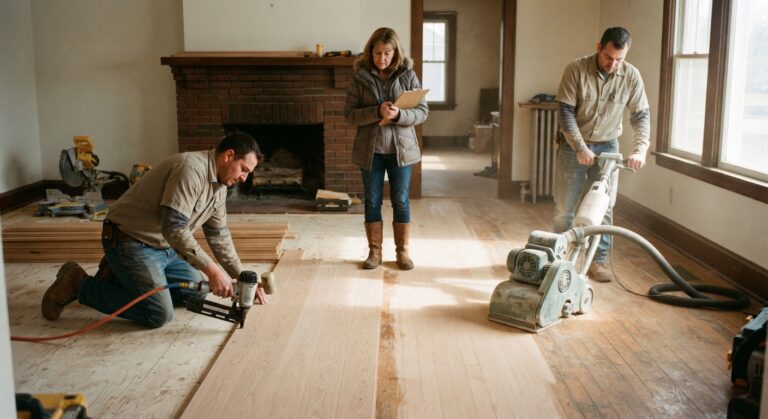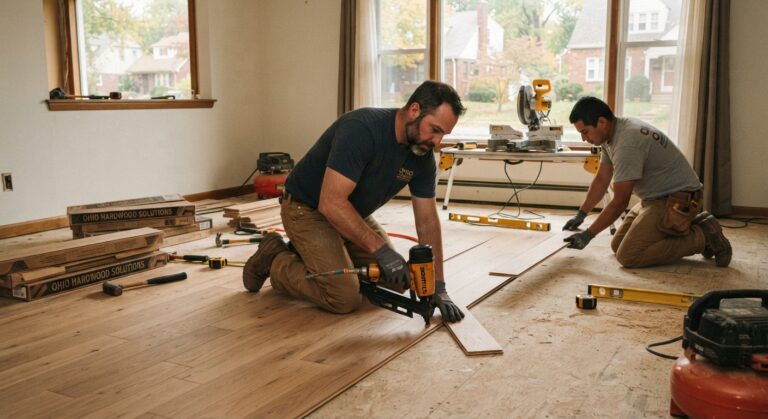
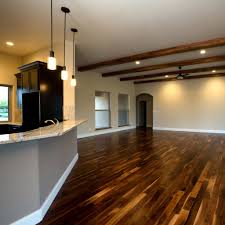
Installing hardwood flooring is one of the most valuable upgrades you can make to your home. Whether you’re building new or renovating, proper planning ensures your custom hardwood floors look beautiful and perform well for decades. At TH Custom Hardwood, Ohio homeowners often ask what steps they should take before installation begins. This checklist outlines everything you need to know to protect your investment and avoid costly setbacks.
Confirm Subfloor Condition
Before installation, your contractor should inspect the subfloor for levelness, moisture content, and structural integrity. Uneven or damp subfloors can lead to squeaking, shifting, or cupping later.
Moisture testing is especially important in Ohio due to seasonal humidity swings. Addressing these factors early prevents premature hardwood floor refinishing caused by expansion or warping issues.
Choose the Right Wood Species
Different wood species vary in hardness, grain pattern, and maintenance needs. Oak remains a popular choice for durability, while maple offers a smoother appearance and hickory delivers bold character.
Discuss lifestyle considerations with your contractor. Homes with pets or heavy foot traffic may benefit from harder species to minimize surface wear and reduce future hardwood floor cleaning challenges.
Select Plank Width and Layout
Wider planks create a more modern, open feel, while narrower boards deliver a traditional aesthetic. Layout direction also impacts the visual flow of your space.
Professional installers consider room size, natural light, and architectural features when planning custom hardwood floors. Proper layout enhances the overall design impact.
Plan for Acclimation
Hardwood must acclimate to your home’s interior environment before installation. Planks are typically stored inside the home for several days to adjust to temperature and humidity levels.
Skipping acclimation increases the risk of gaps or buckling. Proper preparation reduces the likelihood of needing corrective hardwood floor refinishing later.
Understand Finish Options
Homeowners can choose between site-finished and prefinished hardwood. Site-finished floors allow for seamless stain customization, while prefinished planks offer quicker installation and factory-applied durability.
Your contractor should explain how each option affects maintenance, hardwood floor cleaning routines, and long-term refinishing flexibility.
Review Installation Timeline
Hardwood installation involves multiple phases, including preparation, installation, sanding (if site-finished), staining, and curing. Understanding the timeline helps you plan around temporary room closures.
Clear communication ensures expectations align and prevents unnecessary delays.
Discuss Maintenance Requirements
Proper care extends the life of custom hardwood floors. Your contractor should provide guidance on hardwood floor cleaning products, humidity control, and protective measures such as furniture pads.
Understanding maintenance requirements from the beginning reduces long-term wear and extends the time between hardwood floor refinishing services.
Confirm Warranty and Service Details
Ask about product warranties, workmanship guarantees, and post-installation support. Reputable contractors stand behind their craftsmanship and provide clear documentation.
Taking the time to review this checklist ensures a smooth installation process and long-lasting results. With proper preparation, high-quality materials, and expert craftsmanship, TH Custom Hardwood helps Ohio homeowners enjoy durable, beautiful floors designed to withstand everyday life.
Blog Created and Maintained by Revvia Marketing